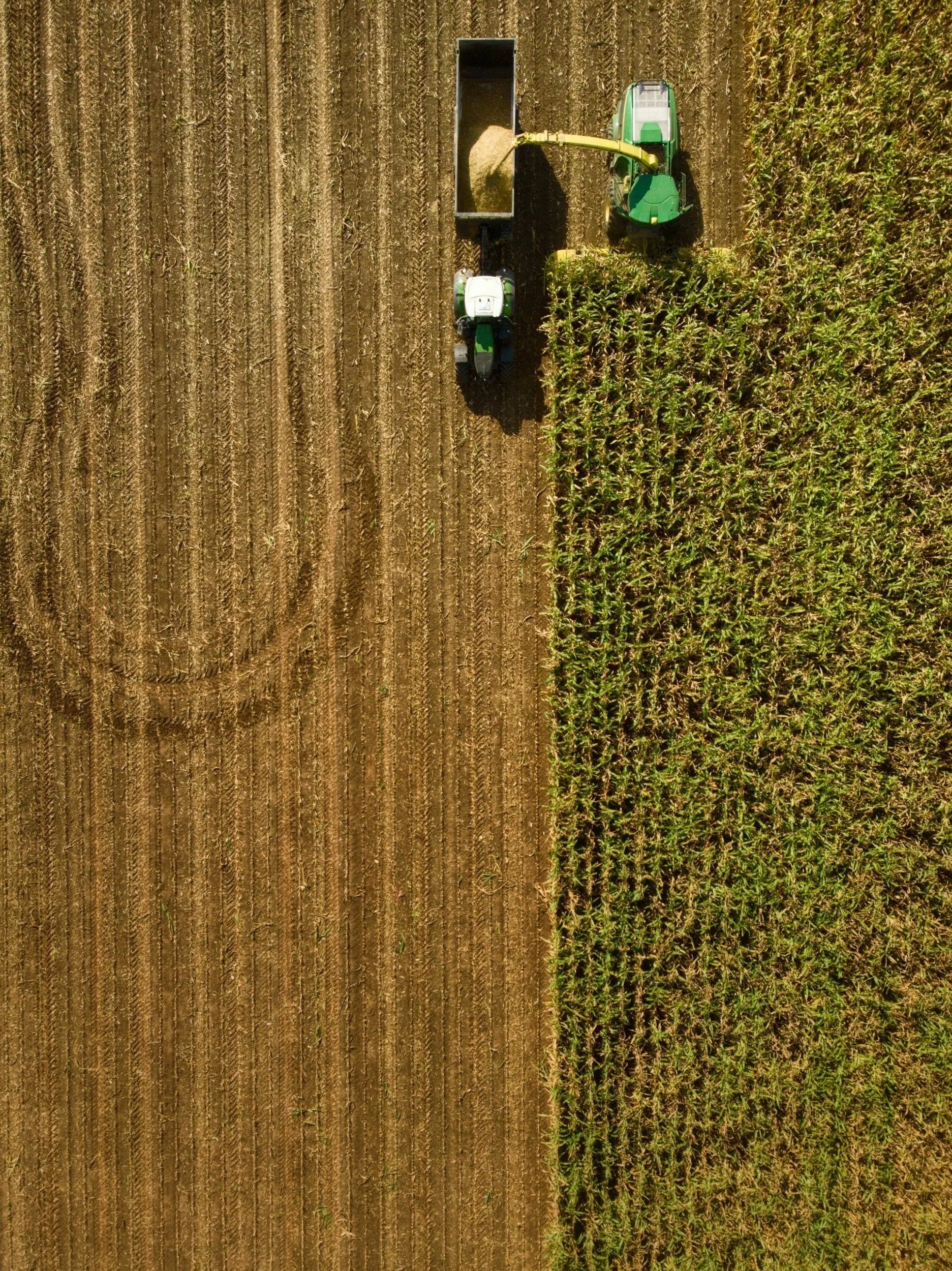
CRILS London Workshop
April 28-29, 2026
The CRILS 2026 in-person workshop in London brought together 50 academics and practitioners from across the world, fostering interdisciplinary and multimodal dialogues over two days. The participants reflected on how to study corporate control, data access, disease prevalence, protein narratives, and labour within industrial livestock systems. The two-day workshop also created space for creative thinking, bi-directional learning, and shifting methods and paradigms regarding these systems.
Panel Proceedings - Day 1
-
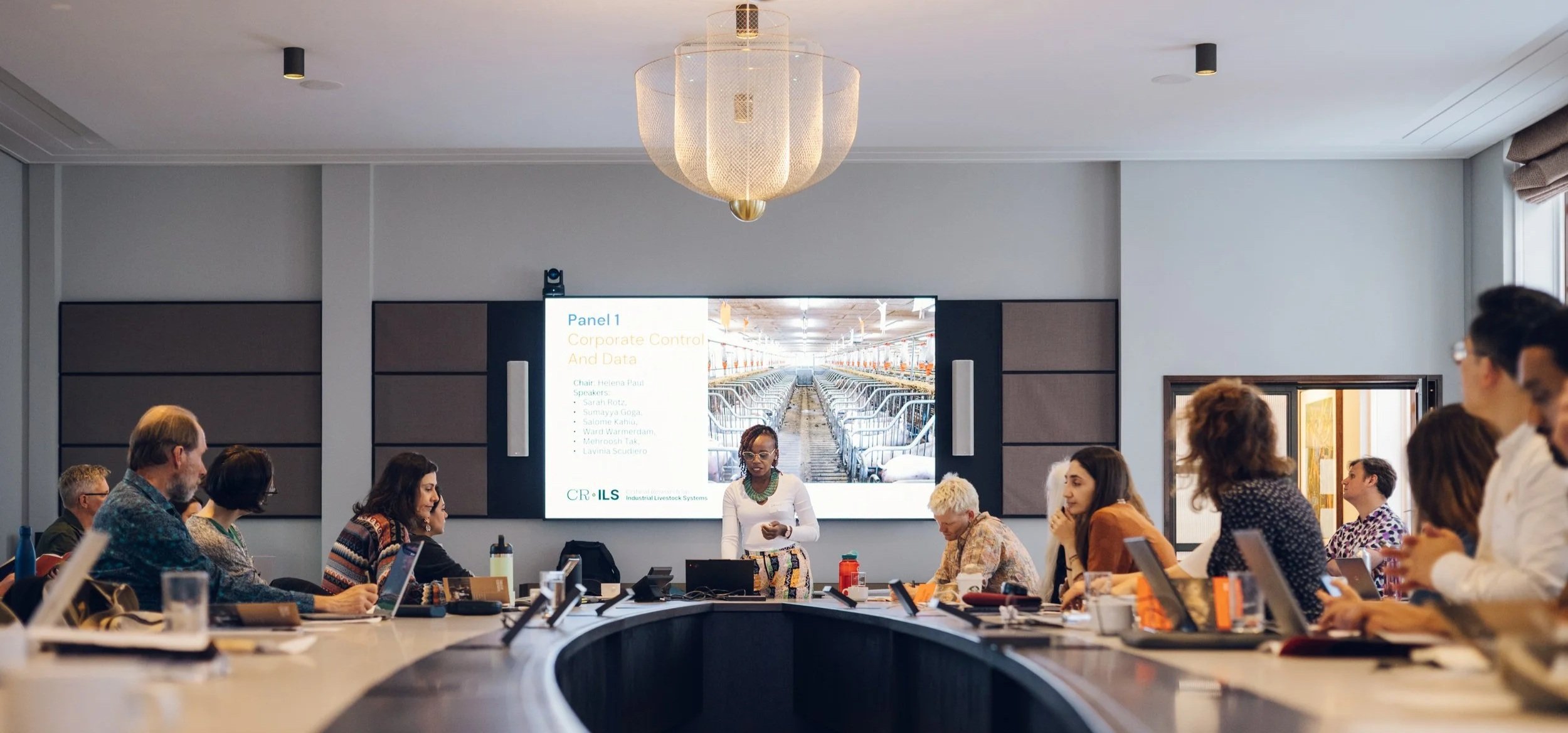
Corporate Control and Data
How corporate control manifests itself globally and locally and what data can we collect to evidence it? This panel focused on sharing evidence and analytical methods for researching corporate concentration. How is corporate control understood by and experienced by the public? What is the status and thus future of smallholder farmer in industrialised systems?
-
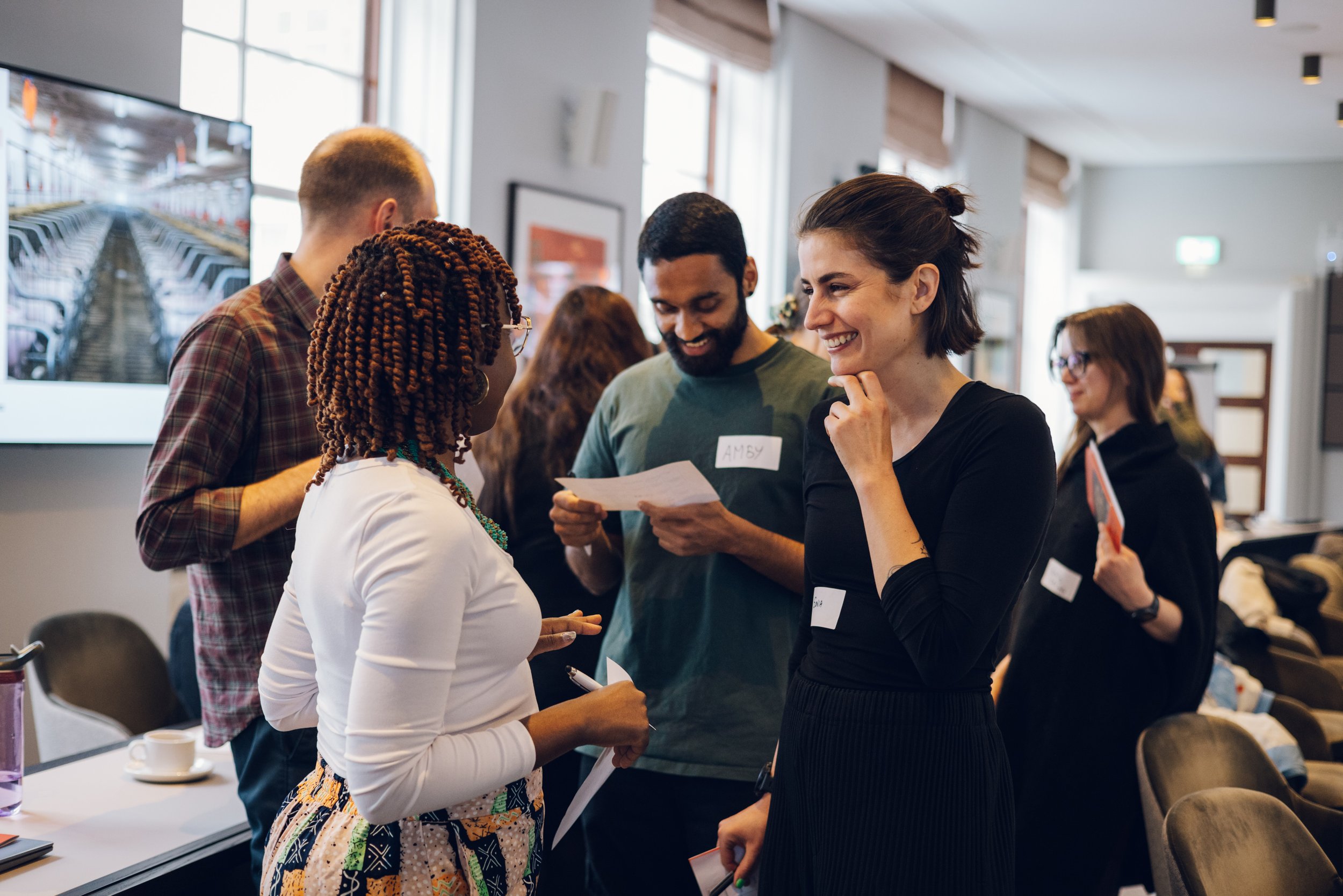
Food Regimes and Sovereignty
What do food regimes look like in your study site? What might be the role of state in increased industrialisation of animal agriculture and entrenchment of regime control? How are the two (authoritarian states/corporations expanding industrial animal agriculture) related? How does industrialisation encroach on sovereignty, indigeneity, and collective rights? What might be strategies to push back against regime control?
-
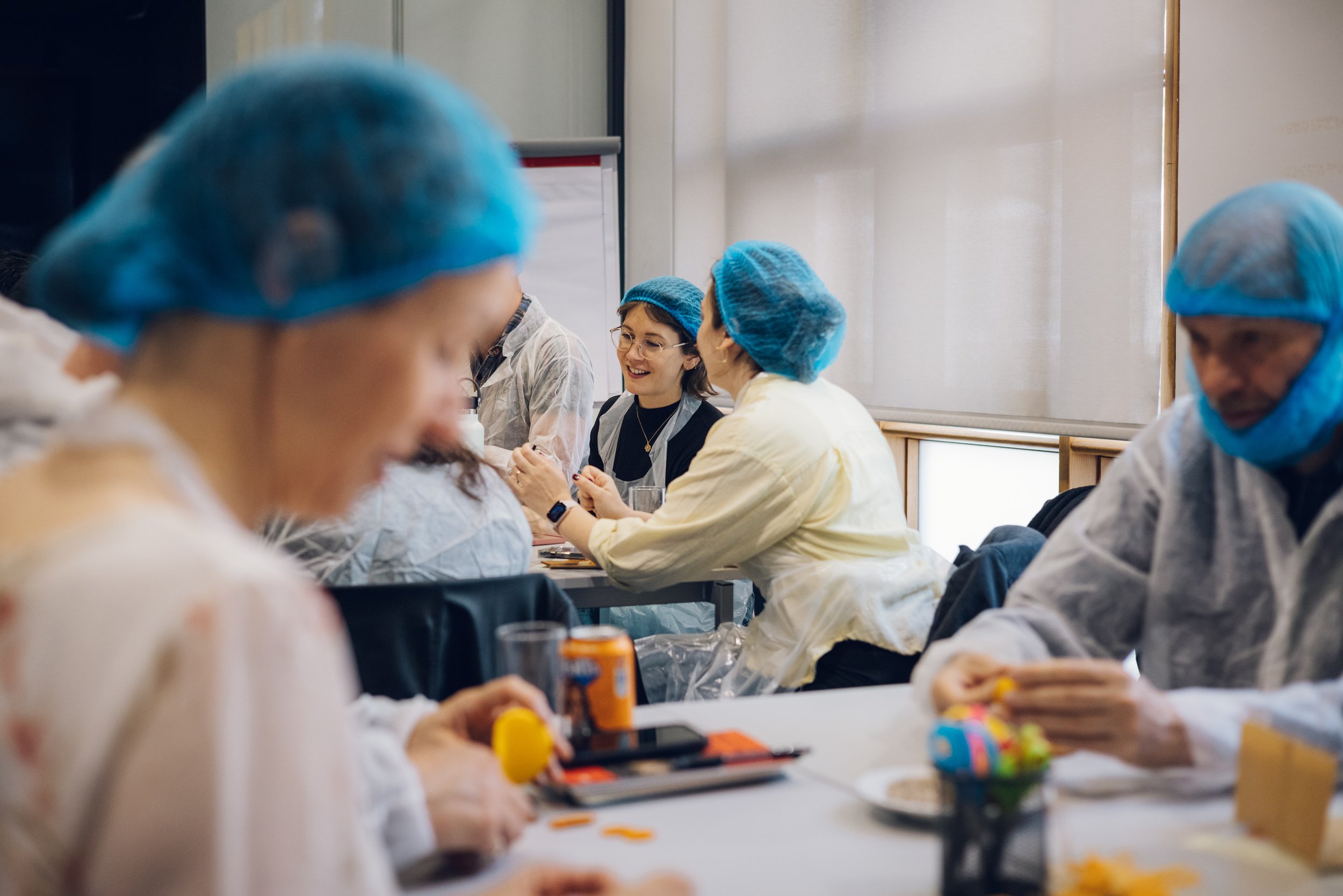
How to Study Diseases?
Troubling the dominance of biosecurity in narratives and strategies for health risks in industrial animal agriculture. This panel asks what kinds of modelling are needed to address future zoonotic and pandemic risks? How can epidemiology and social science better work together (and vice versa)? What challenges do epidemiologists and other researchers face when studying disease in a post-pandemic world?
Panel Proceedings - Day 2
-
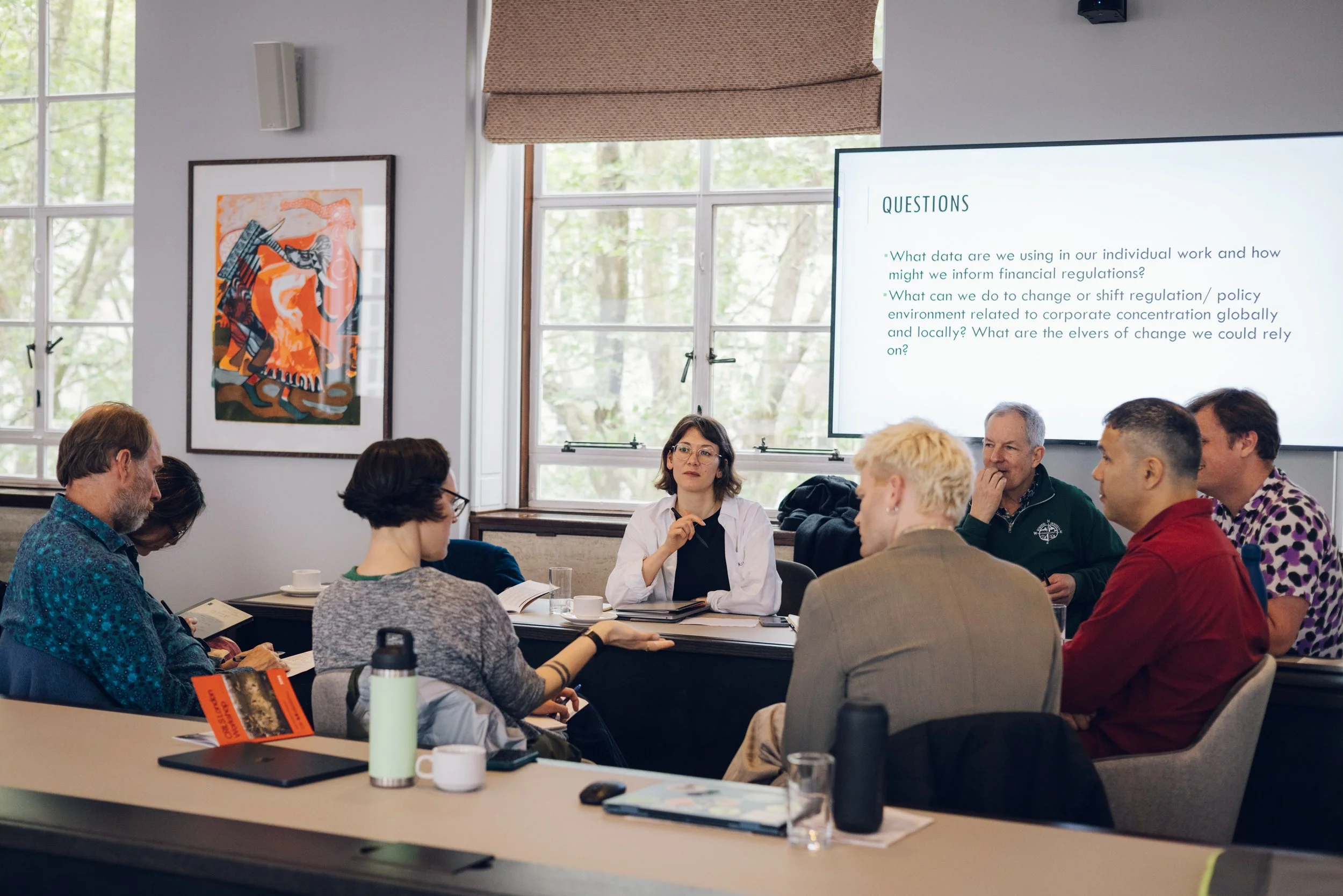
Whose Labour is it Anyway?
How do dominant structures of industrial animal agriculture affect human labour conditions and human-animal relations? What conditions does industrial animal agriculture create for human and non-human labour? How do we understand non-human and metabolic labour? Why might it be important to consider metabolic labour conditions to dream an alternative production system?
-

The Protein Narratives
The protein debate is highly polarised, and many competing narratives influence policymaking, consumption patterns and livestock investment landscape. This panel will highlight some of these narratives that advance the proliferation of industrial animal agriculture. In doing so, we ask ourselves what can be done to dismantle the myths created by these narratives?
-
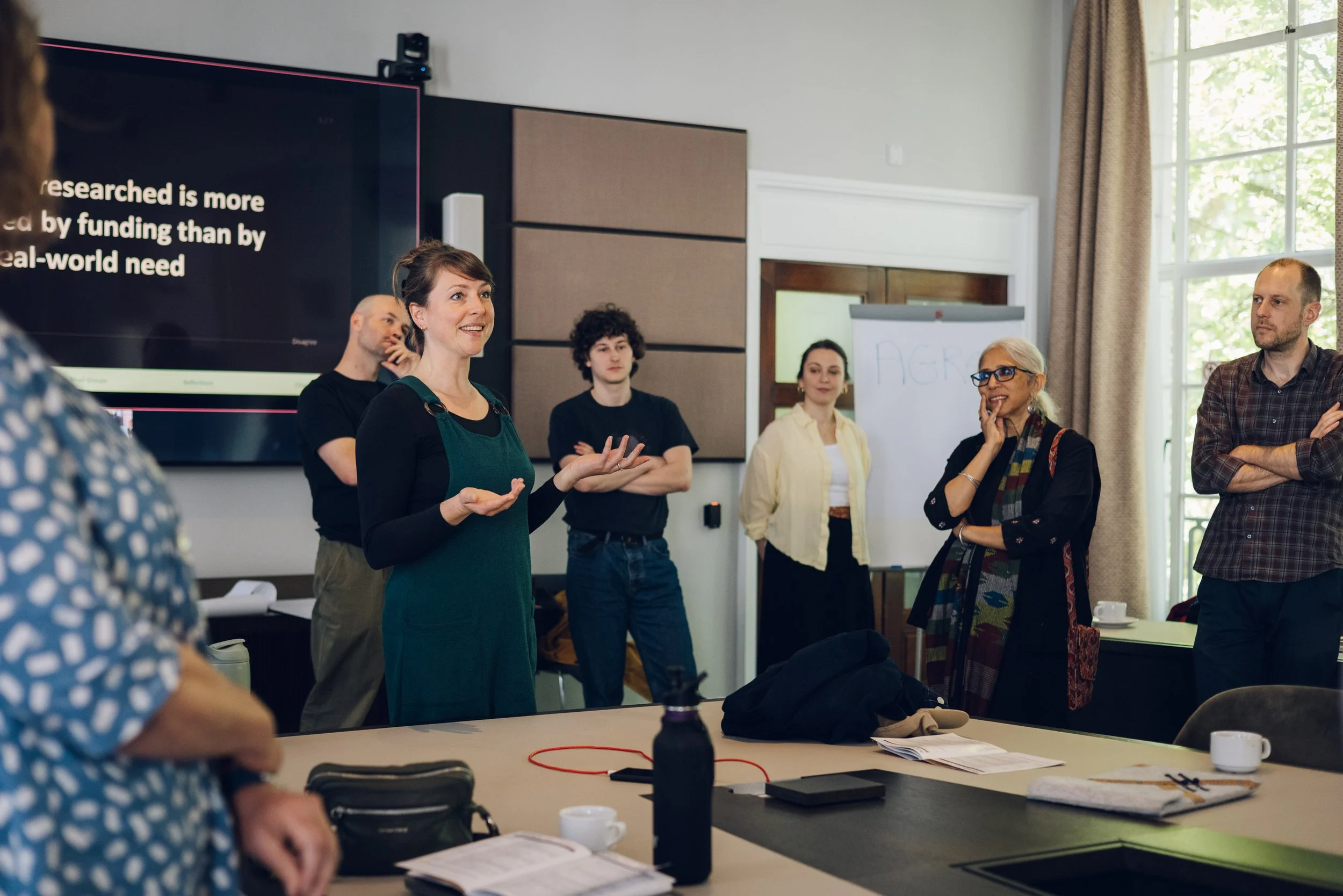
Bi-directional Learning
How should academics and practitioners collaborate to change/reform industrial animal agriculture? How might we create collaborative spaces to find hope and co-create change? Whose voices are the loudest and most dominant in the current livestock debates? Whose voices are we missing in these debates? Who do we need to engage with?
-
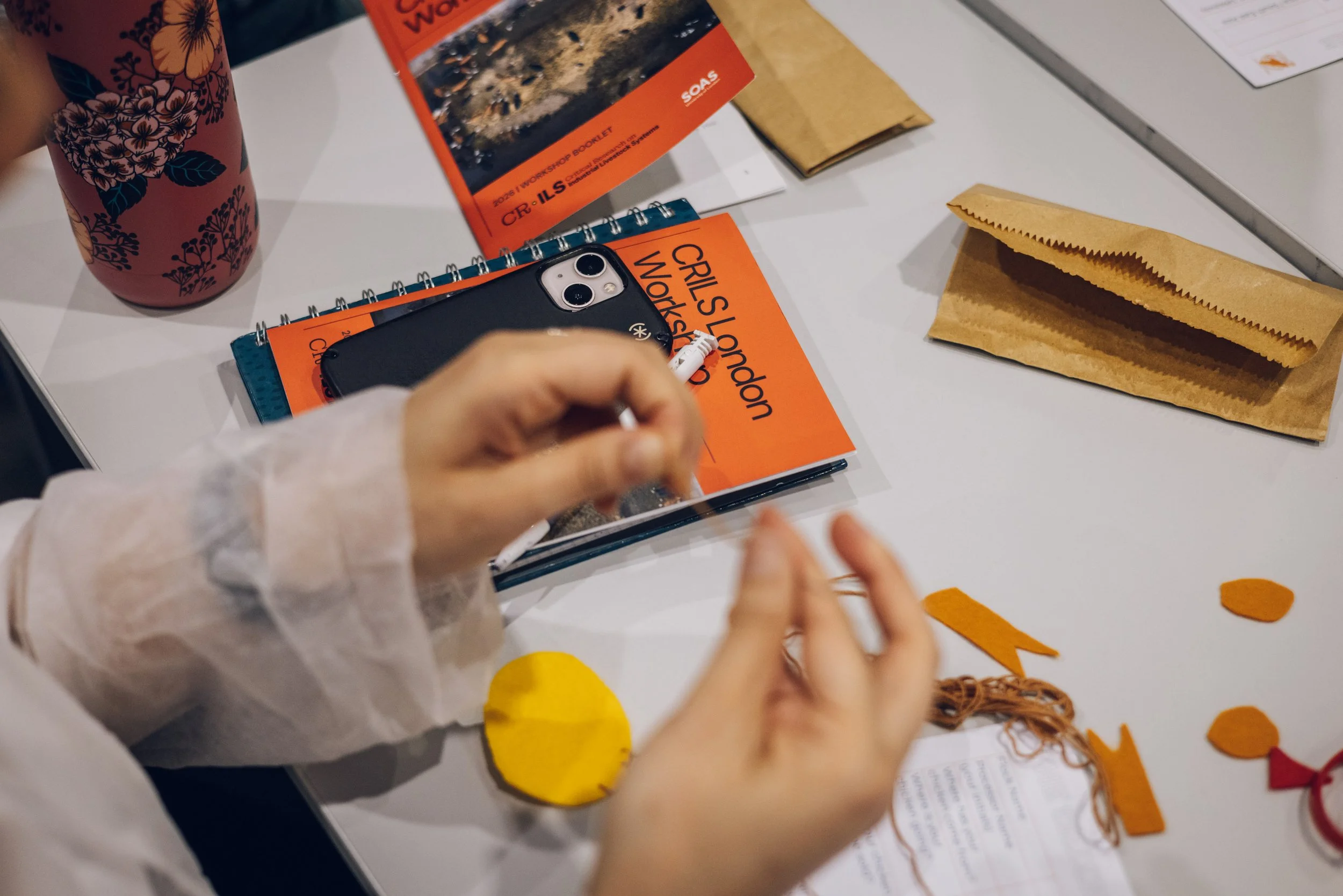
Paradigms and Methods
Interrogating the foundations of how we think about, research and represent industrial animal agriculture. Drawing on creative methods and data collection, artistic practice, narratives and storytelling, this panel will query how we can creative and practice-based knowledge inform our thinking to imagine alternative futures.
Public Lecture: Concentrated Corporate Power in Food Systems and Why it Matters
with Jennifer Clapp
April 28, 2026
Jennifer Clapp is a Professor and Canada Research Chair in Global Food Security and Sustainability in the University of Waterloo in Canada. She is a member of the International Panel of Experts on Sustainable Food Systems (IPES-Food). From 2019-2023, she served on the Steering Committee of the High-Level Panel of Experts on Food Security and Nutrition (HLPE-FSN) of the United Nations Committee on World Food Security (CFS) and was Vice-Chair of that body from 2021-2023.